MAINZ
Metal type, mass produced
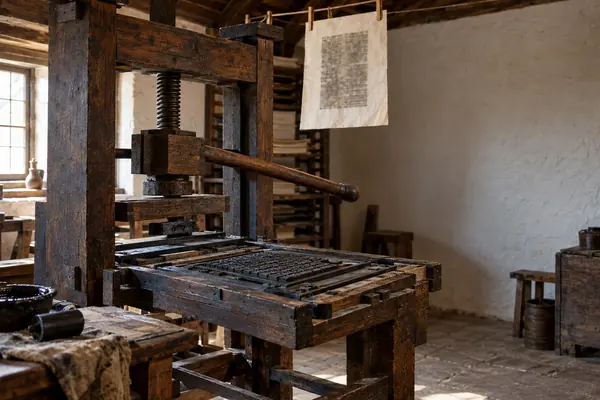
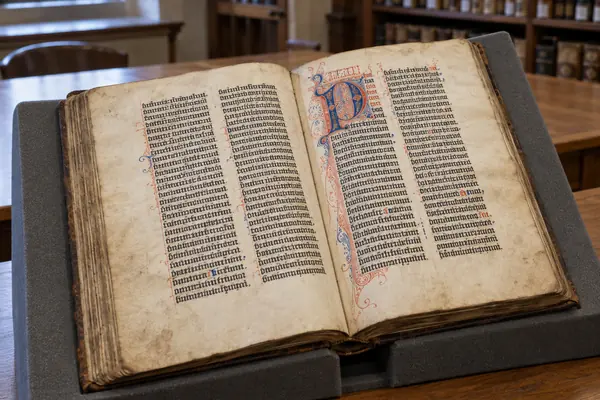
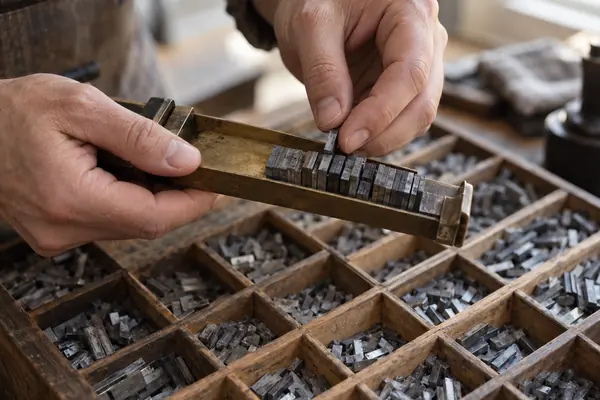
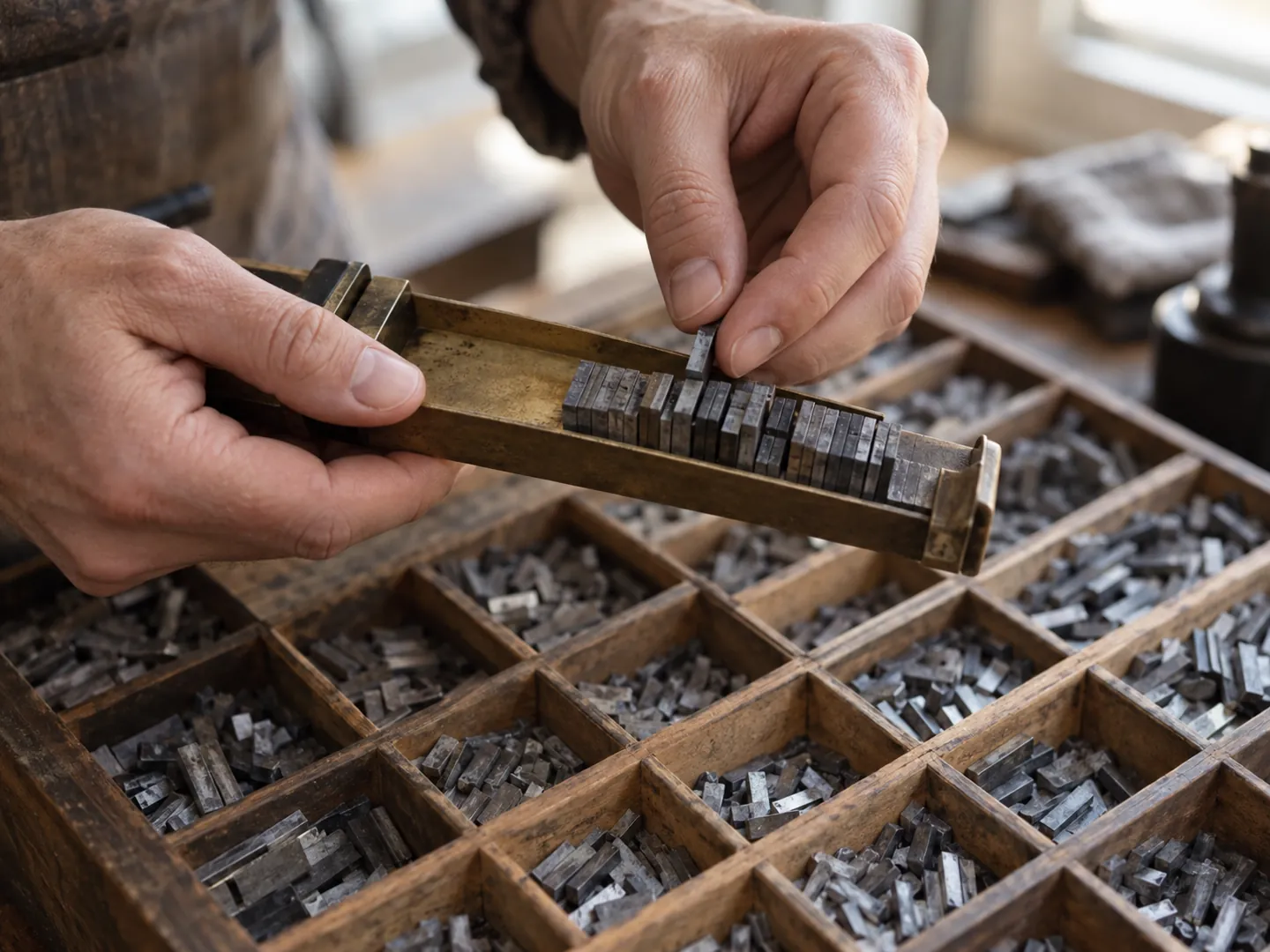
In the mid-1450s Gutenberg and Fust printed more than 150 copies of a Latin Bible from individual pieces of metal type.
See the numbers doodleprinting
A SHORT HISTORY
Printing reached England with a merchant.
Walk the timeline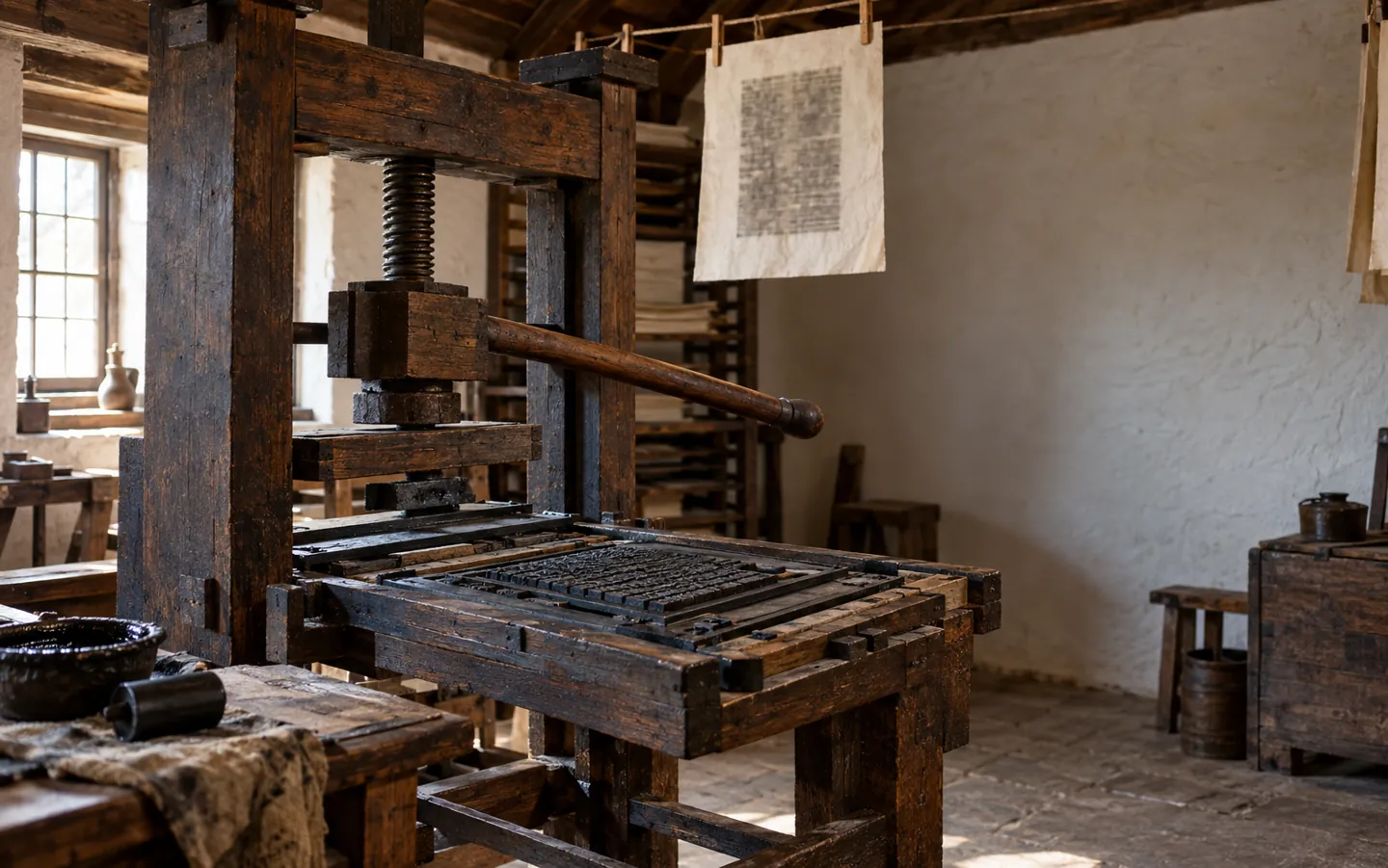
1476England's first press
William Caxton learned to print abroad, printed the first book in English in Bruges, then set up England's first press beside Westminster Abbey in 1476. His assistant, Wynkyn de Worde, took the trade to Fleet Street.
At a glance
150+ copies
Copies printed in Mainz, mid-1450s
Gutenberg and his partner Johann Fust published more than 150 large-format copies. The Ransom Center says only 20 complete copies survive intact.
GUTENBERG BIBLE · HARRY RANSOM CENTER
800+ titles
Publications from Caxton's successor
De Worde was responsible for more than eight hundred publications, including romances, histories, children's books and household guides.
WYNKYN DE WORDE · UNIVERSITY OF GLASGOW
TWO NUMBERS WORTH KNOWING
One figure from the first great printed book,
one from England's most prolific early printer.
The Library of Congress says printing of the Gutenberg Bible was probably completed late in 1455 at Mainz, mostly with forty-two lines to a page.
A QUICK TIMELINE
Pick a milestone to see what happened and when. The bar shows how established printing in England had become by that point.
Dates from the University of Glasgow Library exhibition 'Printing in England from William Caxton to Christopher Barker' and Westminster Abbey.
THE SHORT ANSWER
Printing with movable metal type began in Germany.
It reached England about twenty years later.
MAINZ
In the mid-1450s Gutenberg and Fust printed more than 150 copies of a Latin Bible from individual pieces of metal type.
See the numbersWESTMINSTER
Caxton printed the first book in English in Bruges, then in 1476 set up England's first printing press in the precincts of Westminster Abbey.
Walk the timelineFLEET STREET
Caxton's assistant moved to Fleet Street around 1500 and produced more than 800 publications, from romances to children's books.
Read on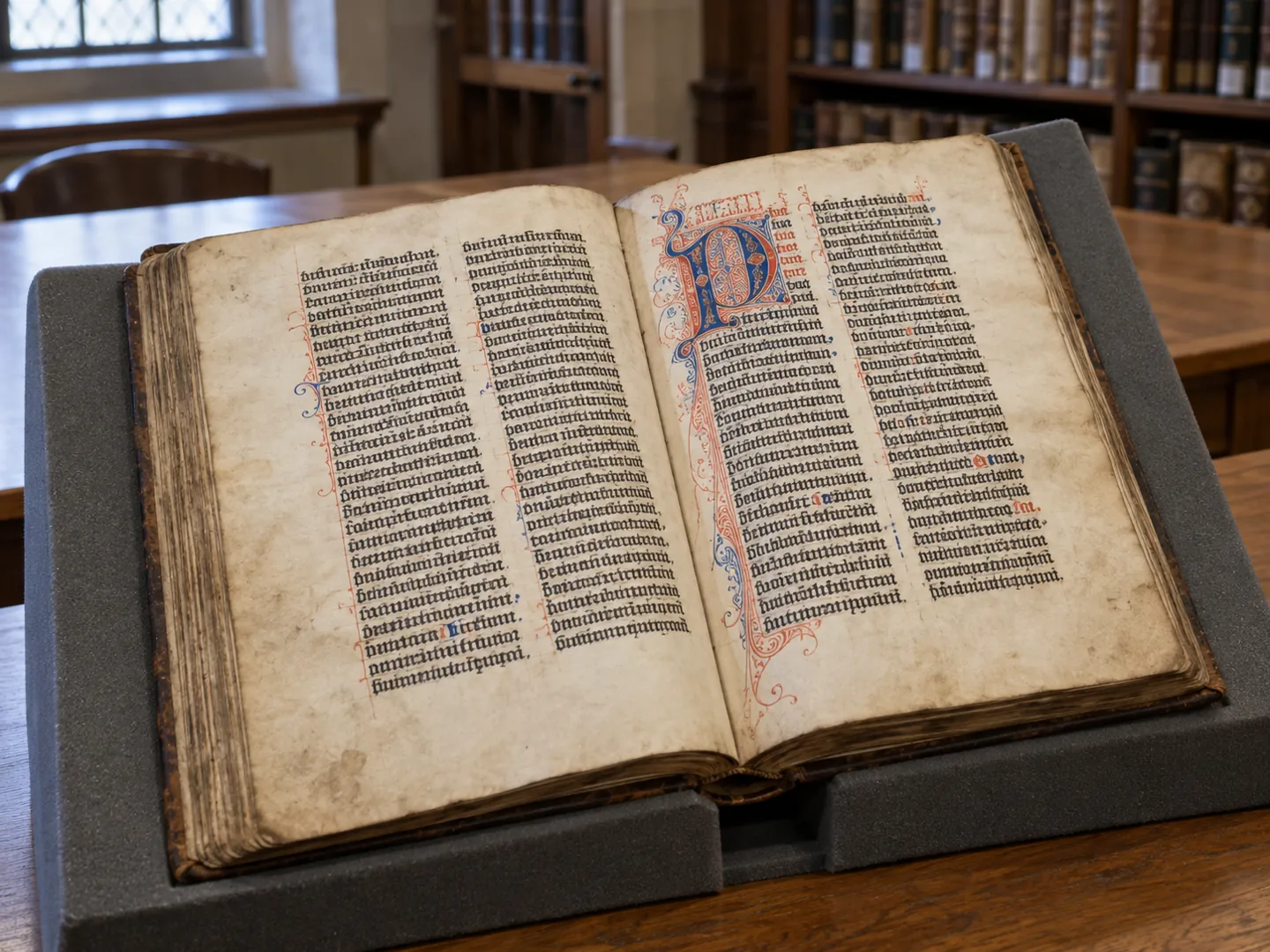
FOUR THINGS TO LOOK FOR
If you see an early printed book in a library or exhibition, these details help you tell what the press did and what a human hand added.
The Gutenberg Bible was printed in double columns, mostly with forty-two lines to a page.
In the Gutenberg Bible, the capital letters and headings were ornamented by hand in colour.
The St Albans schoolmaster-printer used bastarda types that look very like Caxton's own.
The St Albans Chronicle of about 1485 was the first book printed in England to carry a printer's mark.
AFTER CAXTON
Wynkyn de Worde came from the Duchy of Lorraine and worked for Caxton for about fifteen years. After Caxton died in 1491 he took over the Westminster house and its types and printed more than one hundred books there before 1500.
He moved to Fleet Street, and many later printers in the Glasgow exhibition also worked there. The Glasgow exhibition calls him the first publisher and printer to popularise the products of the press, with titles ranging from romances to works on good manners.
Questions
The Library of Congress says Johann Gutenberg, who lived from about 1400 to about 1468, is generally credited with making uniform, interchangeable metal types and solving the problems of materials and method.
Caxton's own translation of the History of Troy, printed in Bruges, probably in late 1473 or early 1474.
In the precincts of Westminster Abbey, from 1476. Westminster Abbey says it was not in the Almonry, as often stated; Caxton took a shop there, at the Red Pale, around 1482–83.
The first known piece is a letter of indulgence dated 13 December 1476, from Caxton's press. Its existence was unknown until it was found at the Public Record Office in 1928.
The Harry Ransom Center says its copy is one of only 20 complete copies that survive intact. The Library of Congress copy is one of three perfect copies on vellum.
Sources
ABOUT THIS NAME
doodleprinting.com is part of the DoodleSale portfolio. It isn't in an auction right now, but you can ask about leasing it.